
Wolf Life Simulator: Wildlife
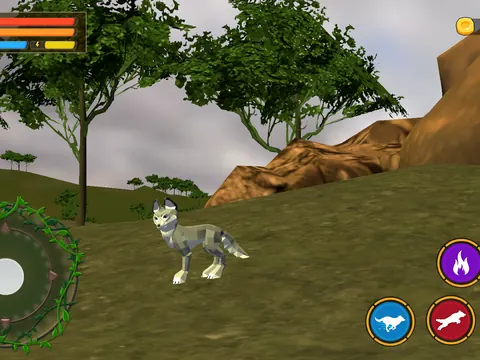
The most complete lone-wolf life sim of the seven — raising a litter and marking a stretch of forest feels earned rather than automatic.
- Hub
- Family Simulators
- Developer
- Nuts Game Ventures
- Google Play rating
- 4.7 / 5
- Downloads
- 100K+
- Content rating
- Parental Guidance
- Last updated on Play
- April 30, 2026
- Platform
- Android · Google Play
- Session length
- 15–25 min a sitting
- Entry barrier
- Easy — tap-to-move, guided opening
In Its Favour
- Territory marking and digging dens are proper mechanics, not decoration
- Pup-raising arc gives the early game a clear goal beyond wandering
- Weather and day/night cycle change how the map reads
Working Against It
- The default camera sits too close during tight forest chases
- Menu text is small on older phones
The First Half Hour
You start as a lone wolf dropped into a wooded valley with nothing but a hunger meter and a vague sense that something bigger is out there. The tutorial resists holding your hand for long: within a few minutes you are told to find water, and after that the game mostly steps back.
What struck us is how much of the opening is about reading the terrain rather than following arrows. Deer trails, scent markers left by rival packs, and a ruined watchtower on the ridge all double as informal waypoints before the game ever labels them on a map.
Pack and Family Systems
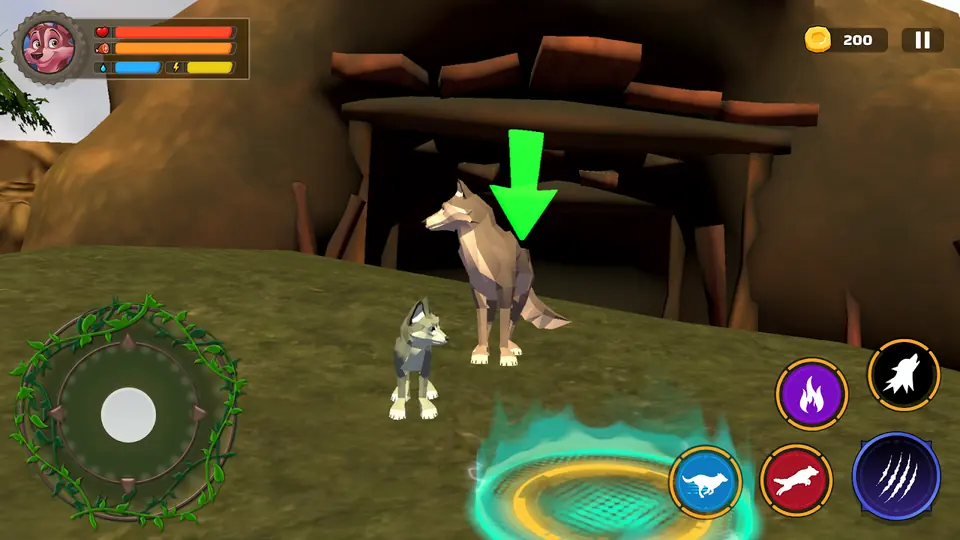
Once you find a mate, the game shifts focus from survival to upkeep. You dig a den, defend it from scavengers, and eventually raise a litter of pups who trail behind you on outings and slowly pick up your habits — if you avoid a stretch of open ground, they start avoiding it too.
It is a slower loop than most mobile animal sims attempt, and it pays off: by the time your pups are old enough to hunt on their own, the valley feels like somewhere you actually built a life, not a level you cleared.
The Territory and World
The map is a single connected valley rather than a hub of loading zones, and it is dense enough that a full lap takes a proper session. Rock formations, a river that actually blocks movement in the wet season, and a village ruin give it more shape than the flat "forest with some trees" look a lot of wildlife sims settle for.
What We Liked
The pacing between exploring, defending territory and raising a family is the best-balanced of the three simulators in this hub. Nothing feels like padding, and the map rewards a second and third playthrough with routes you missed the first time.
Where It Grates
The camera is the recurring complaint: in dense undergrowth it clips through trees and loses the wolf model entirely for a second or two. It is not gamebreaking, but it happens often enough to notice.
Who Should Skip This One
If you want fast, arcade-style movement or a big online roster to play with, this is the wrong pick — it is a deliberately unhurried, single-wolf story. Players looking for that pace should look at the online hub instead.
Controls and Feel
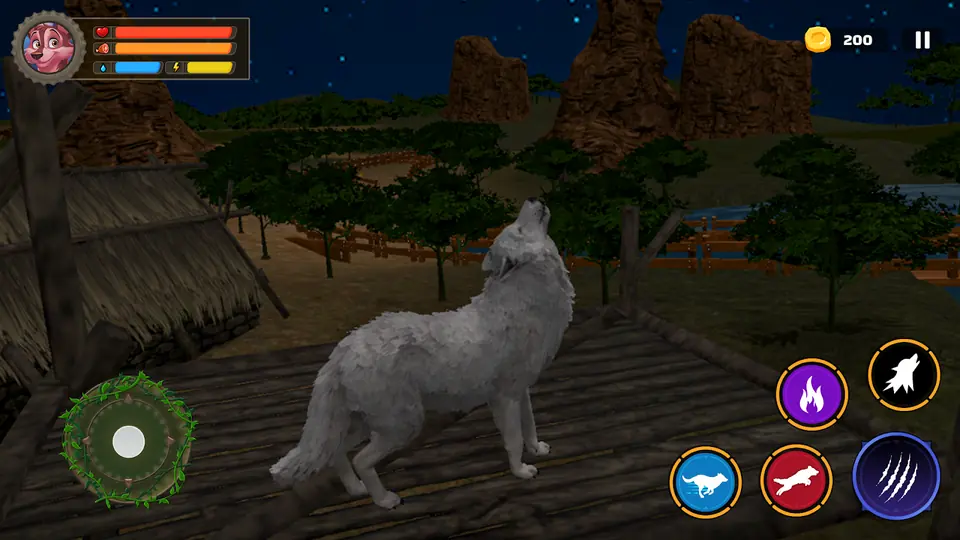
Movement is a single virtual stick with a context-sensitive action button that changes depending on what you are near — dig, drink, howl, or investigate a scent trail. It is a deliberately small control surface, and it works in the game's favour: there is no menu to memorise before you can start exploring.
The one control choice we would revisit is the run toggle, which sits close enough to the digging prompt that new players will fumble the two together during the first few sessions before muscle memory sorts it out.
Similar Games
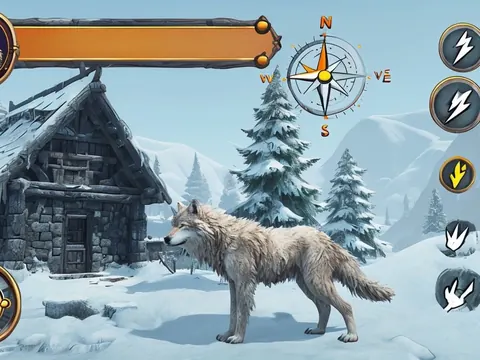
The most game-y of the three simulators, with a skill wheel and gear-style upgrades layered over the usual roaming and den-building.
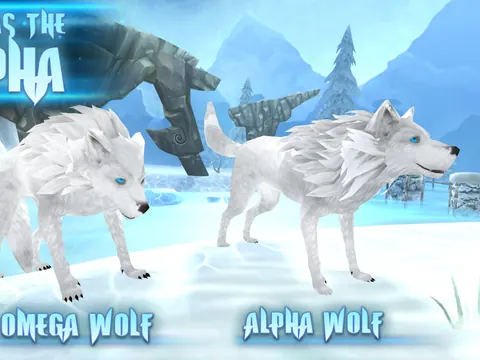
The most narrative-driven of the seven, following one family — the Silverglade Pack — across a slower, RPG-paced story.
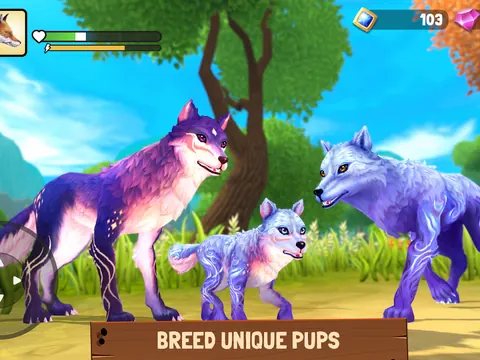
A shared-world animal sim where the wolf is one strong option among several — worth including here for how well its pack-and-pup systems hold up next to the single-species games.